26-27 January 2026, Belval (LU)
Methodological Challenges and Perspectives in Multimodal Music Performance Research
Music performance is a complex, multimodal activity that relies on a highly coordinated interplay of cognitive, emotional, and motor processes.
Fully understanding this dynamic act requires methodological approaches capable of capturing, analysing, and interpreting these dimensions.
Psychophysiological and biomechanical methods, among others, offer valuable insights into the mechanisms underlying music performance; however, each technique introduces additional layers of complexity related to data acquisition, processing, and interpretation, while also raising challenges regarding ecological validity in experimental contexts.
This two-day workshop brings together leading researchers with expertise in these methodological approaches to examine conceptual and methodological issues associated with integrating psychophysiological and biomechanical data, including advanced analytical techniques and computational modelling.
In fostering dialogue across musicology, neuroscience, engineering, and computer science, the workshop aims to promote interdisciplinary collaboration and define future research directions. By addressing these challenges, the symposium seeks to advance our understanding of the complexities of music performance and support the development of integrated, ecologically valid research methodologies.
Keynote Speakers
During the Symposium we had the pleasure to host six internationally renowned researchers across neuroscience, music, engineering, and computer science.
In this page, you can read the abstract or the slides, and watch the video of their presentation.
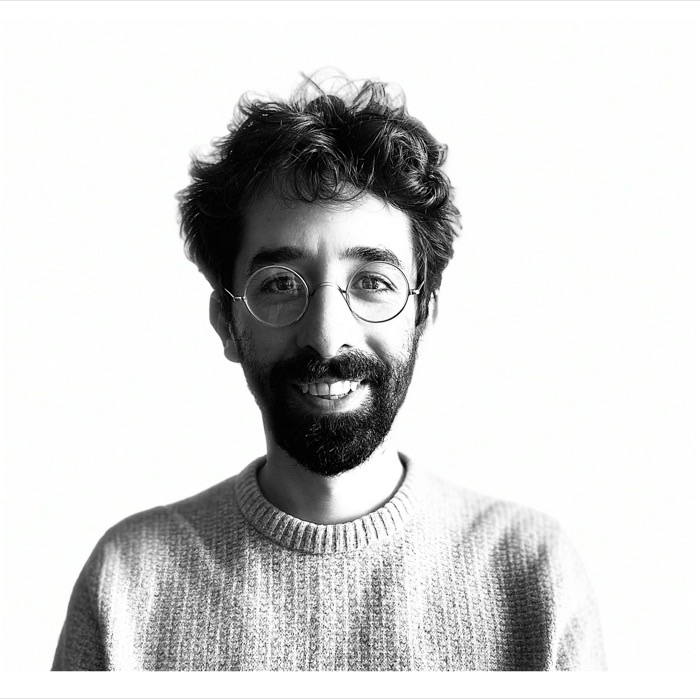
Dr. Giacomo Novembre
Methodological challenges and innovations in the neuroscience of music, dance and social interaction

Dr. George Waddell
Decoding Performance: Capturing, Analysing, Evaluating, and Enhancing Performance

Dr. Laura Bishop
Capturing bodily expressivity and coordination in classical ensemble playing
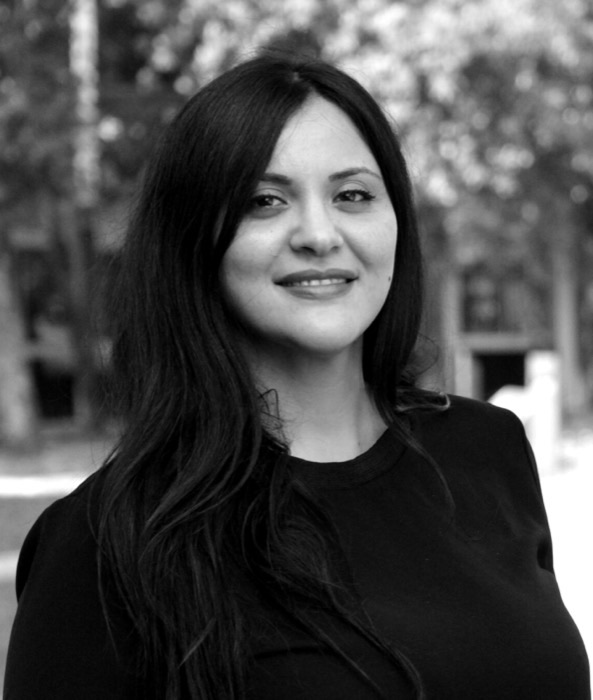
Dr. Inès Chihi
When Sensors Learn to Fix Themselves for an AI Beyond Listening
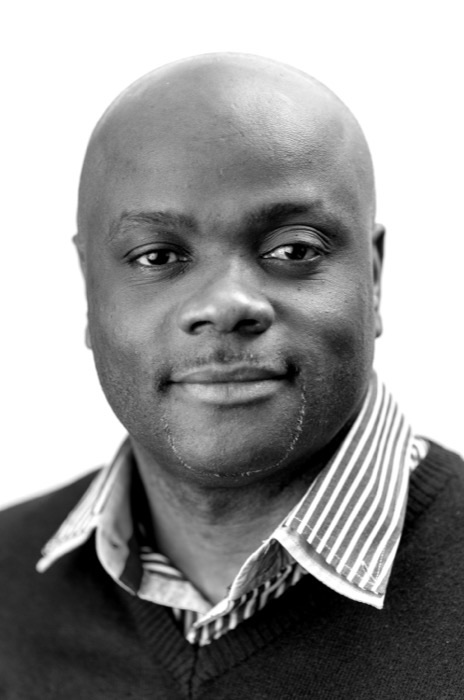
Dr. Ernest Kamavuako
Making Sense of Sensors: Methodological Considerations in Biomechanical and Physiological Sensor Fusion
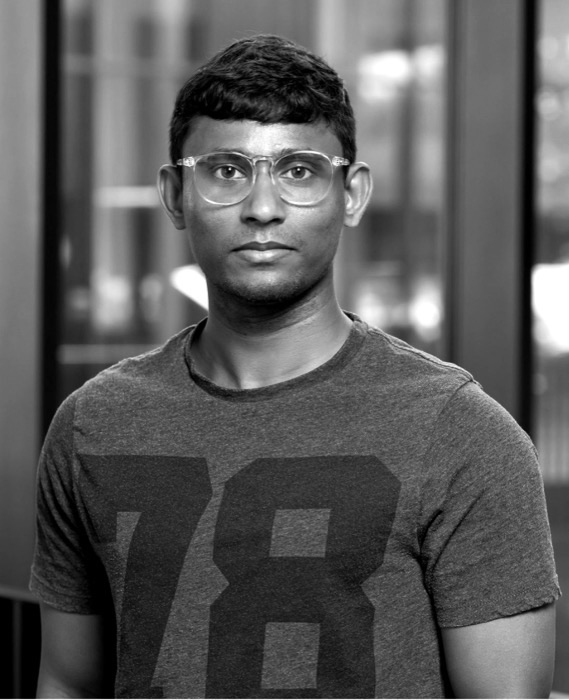
Dr. Saravanakumar Duraisamy
Shining Light on the Musical Mind: Exploring Brain Activity in Real Performance with fNIRS
PhD Talks
We welcome eight PhD students studying at different universities and labs from Belgium, Italy, Luxembourg, Portugal, and the United Kingdom. Here you can read their abstracts and listen to their talks.
David Perpetuini
Psychophysiological monitoring of music performance anxiety and cognitive load through Thermography and functional Near-Infrared Spectroscopy.
Laura Serra
Embodiment indicators of music expertise: psychophysiological and biomechanical markers of music skill acquisition.
Canan Gener
Enacting Social Intention in Ensemble Performance: A Multimodal Framework for
AbstractVideoSlides
Pedro Palhares
A musical exploration of consciousness: Mind wandering, creativity, and brain dynamics
Davide Lionetti
SynchMuse: a novel paradigm to study embodied coordination in musical ensembles using virtual avatars
Cobi Ashkenazi
Beyond tension and relaxation: Optimizing antagonistic muscular co-contraction (AMCC) for skilled, healthy piano technique
Sara Abalde
On the role of ancillary body movements in interpersonal synchronization during joint music making.
AbstractVideoSlides